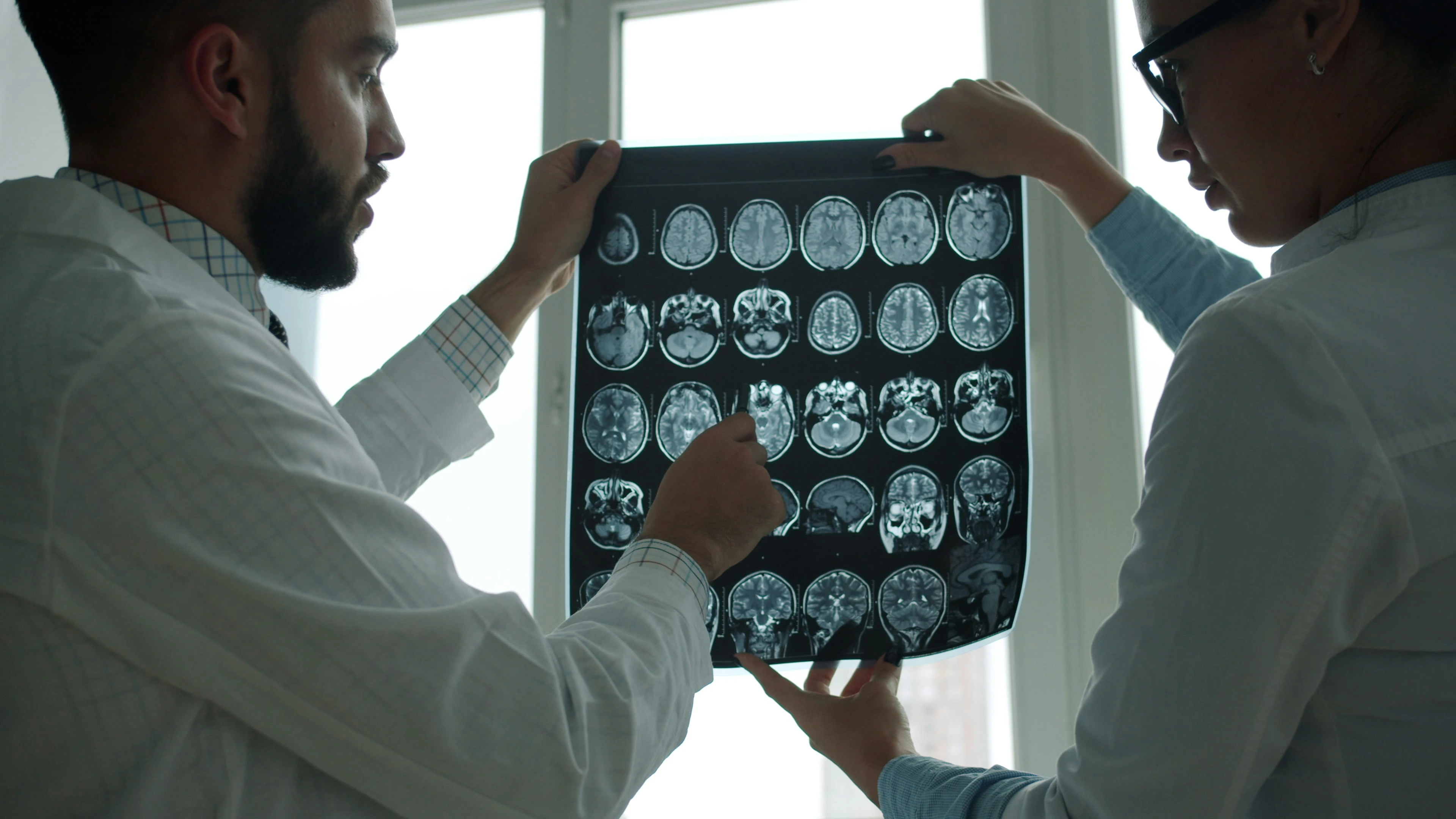
Think of a veteran clinic manager who has worked at a hospital for years.
Tell her that “a patient with varicose veins is here for a consultation,” and that single sentence sets off a cascade of understanding. Which tests are needed. Whether insurance applies if symptoms meet the threshold, or if it’s cosmetic and therefore uncovered. Which surgeon handles this procedure. When the operating room is free. What the expected cost is and how to approach the consultation. She holds a map of the entire hospital — connected to that one word, “varicose veins.”
Storing vs. Knowing
Now picture a typical hospital software system. The words “varicose veins” are stored there too. Patient names, surgical records, revenue — all filed away in their respective columns. But the system does not know how any of these things connect to one another. It stores text. It does not understand meaning.
Storing versus knowing. The difference between these two is what an ontology is.
This gap shows up clearly on the floor. You can give a new employee the same access as the veteran manager. You can open the exact same database for them. But that employee, looking at the same screen, cannot do the same work. The screen holds the information, but the web of how those pieces relate to each other does not yet live in their mind. Data can be handed over. Knowing cannot be transferred so easily.
Most healthcare software has focused on the storing side. Faster input, cleaner storage, easier retrieval. That is valuable work. But it produces a better warehouse, not a hospital that knows itself. A warehouse holds things. It does not understand how those things relate.
Knowing Is Dividing
The word ontology sounds dense, but its essence fits in a single sentence: knowing is dividing.
When we understand something, we divide it. Watch how a child learns the world. She grasps “bird” before she can tell a sparrow from a pigeon. She holds the concept “fish” before she can sort fish by species. To become able to distinguish is to become able to know. What cannot be divided is not yet understood.
This is why the great library mattered. Its value was not in the count of books but in the classification system — the branching structure that organized the world’s knowledge onto shelves. People followed those branches to grasp an entire era’s understanding at once. Classification was not mere organization. It was knowledge itself. To place something in a new category meant you understood it. To find no category for it meant you did not yet know it.
Search Is Not Knowing
Today we have stopped dividing. We type a word into a search bar and accept whatever surfaces. Like a trawl net dragging the seafloor, search retrieves everything at once. It is convenient. But within that convenience, the capacity to divide does not grow.
Search finds. But finding is not knowing. Search “varicose veins” and every record containing that phrase floods the screen. But it will not tell you whether this particular patient qualifies for insurance, what preparation is needed, or whether the operating room is available. The veteran manager does not search. She already knows — because she has already divided. This is why information abundance does not deepen understanding.
Why This Matters Now
The problem sharpens in the age of AI. Feed an AI undivided data and it will fill the empty spaces itself. That filling is guesswork. In a hospital, guesswork is dangerous. Before bringing in sophisticated AI, the hospital itself must first be precisely divided.
What It Means to Divide a Hospital
To know a hospital is to divide it precisely. What is a procedure, what is equipment. Which procedure belongs to which clinical area. Which device lives in which space and who operates it. What the insurance code for a procedure is and how its cost is structured. To divide all of this, and then map the connections between the pieces — that is an ontology.
What the veteran manager possessed was not data. It was connected knowing. The problem is that this knowing lived only inside her head. On the days she was away, part of the hospital went with her.
What Keynoty does is move that mental map into a system the entire hospital shares, always. That foundation is the ontology. In the five chapters that follow, we will show, one step at a time, how that map is drawn.